A few months ago, a small kitchen in Arlington was transformed. It went from cramped and tired to calm and efficient. The homeowner had a list of ideas but needed a clear plan. Renovate Builders helped set a budget, schedule, and prioritized fixes.
The experience highlighted that strategy and attainable objectives matter more than simply copying styles. Self-managed renovations often require ninety days or more. Allocating additional time for final details is recommended –See the website about kitchen remodeling.
This guide offers actionable advice for American property owners. We will discuss setting a vision and budget, layout planning, and checking subfloor and insulation. We also explore electrical and lighting, cupboards and storage, durable materials, and when to hire pros such as Renovate Builders.
Treat this post as a reference list for your plan. Get quotes from Renovate Builders and trusted suppliers before starting. Thorough planning facilitates a better process and minimizes shocks.
Organizing Your Kitchen Remodel: Goals, Finances, And Schedule
A successful remodel starts with a defined roadmap. This plan links your ideas to financial and timing reality. First, visualize how you desire the space to look and feel.
Reflect on color themes, design aesthetics, storage needs, and light levels. Verify that the cooking space complements your home’s style for a cohesive look.
Set A Specific Visual Goal
Create a checklist of essential items and nice-to-have features. Choose materials and finishes that fit your lifestyle. Evaluate cupboard configuration, food storage areas, and workspace illumination.
Utilize visual boards or online platforms like Pinterest to compile concepts. This helps keep everyone focused on the same vision.
Create A Realistic Budget With Contingency
Establish a strict spending limit and reserve 10 to 20 percent for surprises. Factor in expenses for trades, appliance upgrades, and hidden repairs. Compare costs for RTA cabinets versus semi-custom and consider labor time.
- Estimate supplies and work costs independently.
- Set aside money for permits and inspections.
- Save a surplus for emergency fixes.
Plan An Achievable Timeframe And makeshift Cooking Area
Anticipate that a full remodel will require multiple months. Coordinate start dates, permits, and the order of operations with contractors. Share timelines with family to manage expectations.
Design a temporary kitchen with basics: a portable burner, heating oven, compact fridge, basic cookware, and sturdy plates. Set money aside for takeout when construction is heaviest. A functional makeshift setup lowers anxiety and keeps meals practical.
Essential Kitchen Design Principles For Function And Flow
Good design renders a cooking space useful and inviting. Use fundamental concepts to design an area that suits your routine. This advice highlights layout, flow, and small details that have a major impact.
Work In Zones For Efficient Cooking
Segment the room into distinct areas: prep, cooking, washup, storage, and seating. This organization simplifies chores and reduces walking between stations. Utilize reachable organization such as hanging racks and visible shelving for frequently used gear.
Place utensils you use frequently in the preparation area. Place large pans close to the range. Expert zoning concepts are a helpful reference for this approach.
Maintain Proper Clearances And Walkways
Design wide walkways and an open central area to avoid crowding. Target at least 42 inches for a single user and 48 inches for two or more people. Sleek counters and smart appliance placement boost circulation while keeping area.
Verify that doors and drawers avoid clashing when open. These little tests ensure your design concepts function properly every day.
Think About The Triangle And Equipment Location
Position the basin, stove, and refrigerator in a way that feels natural. The classic work triangle is essential, however modify it for modern needs like double ovens. Plan islands carefully, making sure there is depth and space to walk safely – Info here about kitchen remodeling.
Consider airflow and sunlight where you put equipment. Include extras like a pot filler by the cooktop if it fits your cooking style. Intelligent equipment location is a major factor of lasting kitchen function.
| Focus Point | Practical Tip | Outcome |
|---|---|---|
| Kitchen zones | Create dedicated prep, cook, washup, storage, seating areas with reachable storage | Less movement, faster meal prep, clearer organization |
| Distances | Plan 42–48 inches for main walkways; verify door/drawer swing | Easy movement and safety |
| Workflow | Place sink, range, fridge for direct access; allow island clearance | Easy workflow, less tiredness, better flow |
| Appliance conveniences | Plan for water access, vents, and windows near machines | Better use, fresh air, more light |
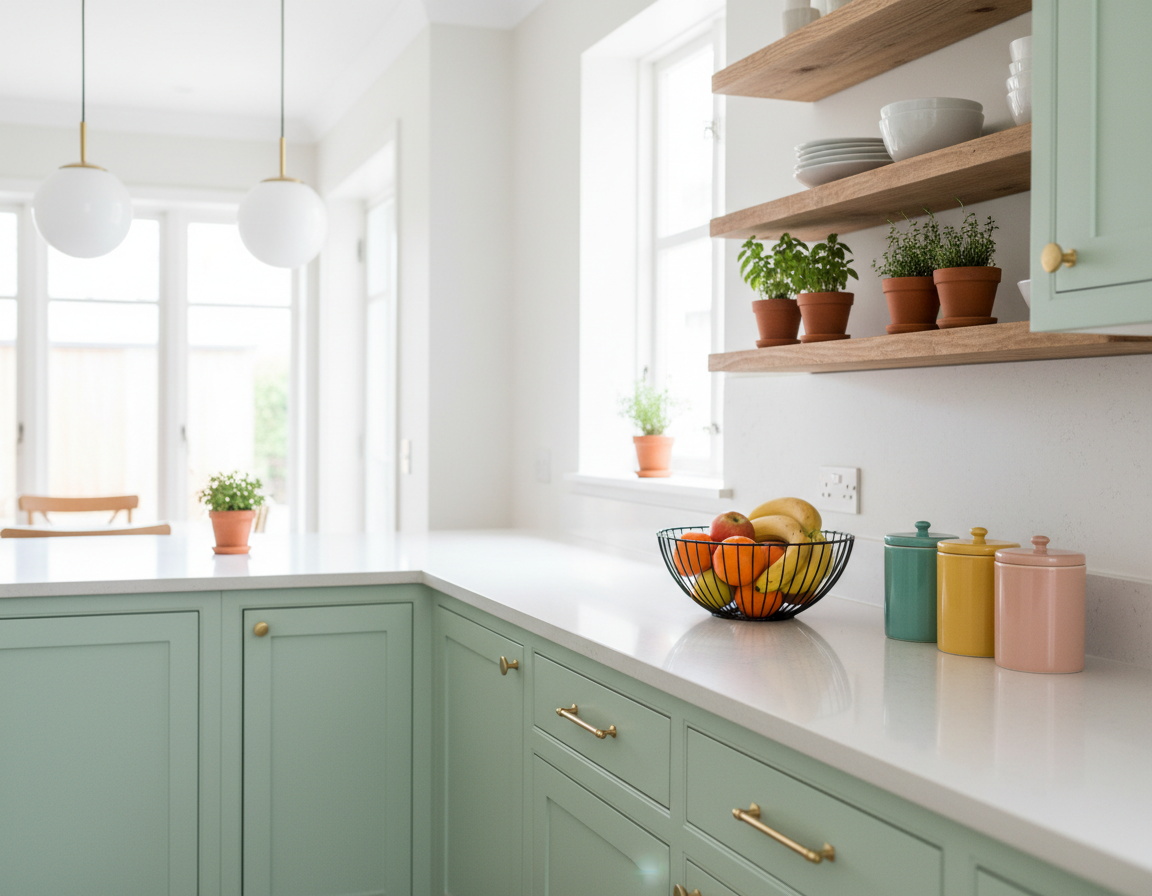
Flooring Base, Insulation, And Framing Issues To Fix Now
Before putting up drywall, consider what lies beneath and back of the new surfaces. A thorough base floor inspection and improving thermal padding protect your kitchen for a long time. Fixing structural issues early saves you from expensive setbacks down the road.
Check And Swap Out Rotten Floor Base
The underlayment is vital to support everything. Old houses often have soft spots or uneven panels. Closely examining the base shows if you need repairs or a complete swap.
Use 23/32″ tongue-and-groove plywood to ensure rigidity beneath heavy units. Proper fastening and blocking eliminate noise and keep surfaces flat. Minor repairs at this stage prevent major headaches tomorrow.
Enhance Insulation For Warmth And Economy
Older wall cavities lack enough insulation. Installing mineral wool or dense fiberglass batts improves comfort and cuts energy costs. Choose moisture-resistant materials around plumbing and glass.
Look for mildew near wet zones and openings. Replace bad insulation and utilize vapor retarders to prevent mold and improve soundproofing.
Design For Concealed Essential Utilities
Open walls give you a moment to modernize pipes, ducts, and structure. Route systems where logical. Vent kitchen exhaust and range hoods outside for a cleaner environment and legal adherence.
Document alterations for inspections and future upkeep. Partner with Renovate Builders on framing changes. Good preparation keeps your project on track and secure.
| Area | What to Check | Fix | Impact on Project |
|---|---|---|---|
| Subfloor | Rot, deflection, fastening, thickness | Full replace with 23/32″ T&G plywood or sister joists | Stable base for cabinets; prevents squeaks and leveling issues |
| Inside walls | Old batting, dampness, fungus | New insulation; clean up mold | Cozy, efficient, quiet room |
| Plumbing & Venting | Path of pipes, exhaust exit, duct width | Reroute as needed; vent to exterior; upsized ducts for range hoods | Good airflow; dry air |
| Structure | Load paths, beam sizing, header condition | Pro-checked fixes; added support | Safety for open plans |
| Documentation | Permit records, as-built notes, contractor receipts | Organize docs; photograph work | Easier future repairs; smoother resale disclosures |
Intelligent Wiring And Illumination Plans For Security And Adaptability
Effective wiring design relies on a versatile plan. Include slack in the lines and use adjustable electrical boxes. So that, plugs and controls can be adjusted during final layout. List tasks detail for the permit but leave room for smart edits with the builder.
Plan wiring with flexibility
Inspectors expect installers to match the signed drawings. Add extra outlets for future appliances and install separate lines where high loads are likely. Maintain a log of panel capacity, fuse ratings, and future updates to stop issues during inspections.
Layer lighting for task and ambiance
Layered kitchen lighting offers clarity and style. Mix can lights with pendant fixtures over islands, hidden work lights for chopping, and wall-level fixtures to cut shadows. Map switches and use faders to adjust the vibe without new cables.
Design for heavy-duty equipment
High-load equipment requires dedicated lines and correct amperage. Verify actual dimensions and amp needs for stoves, dual ovens, wine refrigerators, and compact freezers before setting them. Collaborate with vendors and builders to ensure wiring matches the appliance specs.
| Priority | Action | Benefit |
|---|---|---|
| Wiring give | Add loops, adjustable boxes, and spare conduits | Easy adjustments and smoother approvals |
| Outlet strategy | Add more plugs, GFCIs, and separate lines | Future-proofs power needs |
| Mixed light | Mix cans, pendants, strips, and wall lamps on dimmers | Better work light and nice mood |
| Unit strategy | Verify specs; save power lines | Avoids rework and ensures safety |
| Teamwork | Give plans to all trades | Smooth installation and fewer on-site conflicts |
Follow these kitchen remodelling tips & tricks to keep safety and flexibility in focus. Specific maps for gear and lights cut do-overs and hold the timeline. The Renovate Builders team and licensed electricians can convert a good power plan into a perfect finish.
Cabinetry, Storage Solutions, And Budget-friendly Upgrades
Picking the right cabinets is essential to a practical kitchen. Select durable materials such as high-grade plywood for the cabinet bodies. Hardwood doors are ideal for busy zones. Assembly-required units reduce expense but take effort to put together.
Get samples of fronts and stains to check the grade. Check supplier references to locate the sweet spot of price and quality.
Choose durable cabinet construction and realistic sourcing
Avoid only checking costs when purchasing cupboards. Inspect the grade of runners, hardware, and rear panels. Question fitting testimonials and warranties from suppliers.
Partnering with Renovate Builders means assistance with sourcing, inspecting, and installing. This saves time and lowers liability while staying within your budget.
Maximize vertical space
Use tall wall cabinets and shallow open shelving to boost space without making the room bigger. Add magnetic strips, pan hangers, and pegs to clear the worktop. Employ upright separators and pull-out trays for quick entry to deep shelves.
These tactics help you use vertical space well and ensure things are seen and easy to reach.
Budget-friendly upgrades that deliver impact
Target improvements that alter the aesthetic and utility inexpensively. Refacing fronts, changing handles, and fresh splashback tiles have a huge effect. Replacing the basin, faucet, or fixtures also adds value and enhances everyday life.
| Upgrade | Typical Cost Range | Function Effect | Time needed |
|---|---|---|---|
| Resurface doors / repaint | $800 – $3,000 | New look, same plan | 2–5 days |
| New pulls | $100 – $600 | Big style change, simple | 1 day |
| Flat packs | $2,000 – $8,000 | Savings, DIY build | 3–7 days (DIY) |
| Custom ply cabinets | $6,000 – $18,000 | Tough, good equity | 1–2 weeks (install) |
| Exposed storage | $150 – $1,200 | Improves access, increases storage visibility | 1–3 days |
| Sink update | $300 – $1,800 | Boosts daily function and style | 1 day (pro) |
Prioritize usability when remodeling your kitchen. Use organizers, sliders, and marked areas to reduce clutter. Place the most-used items within easy reach to reach easily.
As you prep, dimension the room and appliance footprints carefully. Follow the guideline (Total Words/100)*2 to keep keyword repeats balanced. Scatter hints across plans and shopping lists for clear priorities and strong results.
Flooring, Countertops, And Selecting Durable Materials
Selecting the best finishes is important for daily function and future expenses. Prioritize durable kitchen materials that withstand accidents, footfall, and scrubbing. A smart choice means fewer repairs and kept money.
Choose Flooring For Durability And Maintenance
Tiles of porcelain or ceramic are great for wet areas and resist damage. Vinyl plank provides a wood style at a lower cost. Hardwood adds warmth but demands attention and can get scratched or damaged by water.
Before laying new flooring, examine the underlayment. A good subfloor stops creaks, gaps, and premature failure. Be sure to inspect the base state at the start to stop issues.
Choose Surfaces For Habits And Price
In selecting tops, think about how you cook and cleaning needs. Quartz is low-maintenance and tough. Marble and soapstone are classic but require sealing. Laminate and solid-surface options are affordable and chic.
Edge shapes matter for daily use. Curved profiles hide chips better, whereas straight edges look modern. Confirm sizes and lips during templating for a perfect fit.
Pick A Sink And Fixtures For Functionality
Pick a basin that fits your cooking and cleaning style. One-basin sinks fit large pans well. Double-bowl sinks separate prep from cleanup. Apron-front sinks add character and deep bowls. Chef sinks and accessory-ready sinks feature integrated tools for faster tasks.
Correct basin choice saves costly rework. Verify the sink size when measuring and confirm faucet hole requirements. Pick tough taps and think about a filler over the range for big meals. A good basin keeps your kitchen efficient and lasts.
Do-It-Yourself Truths, Management, And Hiring Renovate Builders
Little updates look effortless until trouble hits. Owners should think about time, skill, and daily life prior to beginning. A room full of boxes and equipment fast alters your schedule.
Understand the price of Self-Renovation
DIY projects drag on. Assembling RTA cabinets can take days or weeks. Plan for waits on hard jobs and finish work.
Hiring experts and working together
Get pros for the hard stuff. They lower danger and meet codes. Lots of people engage Renovate Builders to handle papers and scheduling.
Organize site logistics and waste management
Plan for staging areas and delivery paths ahead of time. Appliances and cabinetry come in big boxes. Save space by breaking down boxes immediately.
Project management for kitchen remodels
Schedule jobs to avoid delays. Make a timeline for all stages. Distribute the plan with all workers.
Action list
- List permit needs and check times.
- Block off delivery corridors and a storage zone.
- Check all sizes twice.
- Arrange debris removal aligned with tear-out.
- Establish work hours for trades.
| Job | Self-Work Time | Hire Help If |
|---|---|---|
| Building cabinets | Weeks of work | When precise fit, alignment, or cabinetry reconfiguration is required |
| Electrical rewire and high-demand circuits | Don’t do it | Always hire licensed electricians coordinated by Renovate Builders |
| Plumbing rough-ins and drain changes | High risk; code issues | Hire a licensed plumber to avoid leaks and failed inspections |
| Trim work | Doable if skilled | Hire pros for complex profiles or seamless finish |
| Trash and site | Takes planning | Renovate Builders handles trash and delivery |
Use kitchen remodelling tips & tricks to make decisions faster and cut trash. As the project expands, make a call to continue solo or hire help. For homeowners who prefer less stress, engage Renovate Builders to blend skill with strict organization for renovations and tight site logistics.
Summary
A great kitchen update requires a solid goal and a realistic budget. Put in a reserve for unexpected costs. Adhere to design rules: map out areas, check subfloor and insulation, and allow extra time for repairs.
Plan for the job to be usable in roughly 90 days. This should be part of your timeline when planning the update.
Smart moves prevent expensive do-overs. Set up a temporary kitchen and have pros check measurements for basins and tops. Add extra electrical capacity using movable fittings.
Use layer lighting for tasks and ambiance. Pick tough floors and tops. Use wall height for economy and room, keeping maintenance in mind.
Decide when to DIY and when to hire pros. Simple updates cut costs, but structural, electrical, and plumbing work need licensed trades. For a complete plan, contact Renovate Builders for exact sizing, paperwork management, and professional delivery.
Related: Remodeling Marketing